Losing someone close is never easy, and deciding how to honour their life can feel overwhelming. During this time, many families begin asking the same question: what is a memorial service? Understanding what it is and how it differs from other types of services can make it easier to choose an approach that feels meaningful for your loved one and your family.
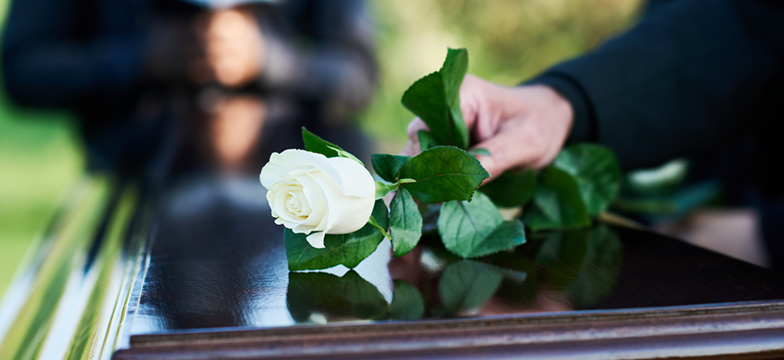
A memorial service is a gathering held to remember and celebrate the life of someone who has passed away. Unlike a traditional funeral, it is usually held without the presence of the person's body, allowing families greater flexibility in deciding when, where, and how they would like the service to take place.
Rather than following a fixed format, a memorial service can be shaped around the individual's personality, values, and the memories shared with those who knew them best.
At Drayton Memorial, we believe every life has a story worth remembering. A memorial service provides an opportunity for family and friends to come together, share memories, offer support to one another, and reflect on a life that made a lasting impact.
What Is a Memorial Service and Why Is It Important?
At its heart, a memorial service is about bringing people together to remember someone with love, respect, and gratitude. While every family experiences loss differently, many find comfort in gathering with others who shared a connection with their loved one.
A memorial service can help families in:
- Honour the life and legacy of a loved one.
- Share memories, stories, and meaningful moments.
- Support one another during a difficult time.
- Reflect on the person's values, passions, and accomplishments.
- Begin the healing process together.
Unlike a service that follows a strict tradition, a memorial service offers flexibility. It allows families to create an experience that reflects the individual rather than simply following a set structure. Whether the gathering is large or small, formal or informal, its purpose remains the same—to remember a life that mattered.
How Is a Memorial Service Different from a Funeral?
One of the most common questions families ask is whether a memorial service and a funeral are the same. Although both honour a loved one, there are a few important differences.
A traditional funeral is generally held shortly after a passing and usually includes the presence of the deceased before burial or cremation. A memorial service, however, typically takes place after burial or cremation and does not include the physical presence of the deceased.
Because of this flexibility, families often have more time to:
- Coordinate travel for relatives and friends.
- Plan a service that reflects personal wishes.
- Choose a meaningful location.
- Create personalized tributes and memories.
Neither option is better than the other. The right choice depends on the family's wishes, traditions, and what feels most comforting during that time.
People Often Relate a Memorial Service to a Memorial Gathering
It is common for people to use the terms "memorial service" and "memorial gathering" interchangeably because both bring loved ones together to remember someone who has passed away. While they share the same purpose, there is often a slight difference in how they are experienced.
A memorial service generally follows a more structured format, with readings, music, or tributes that guide the gathering. A memorial gathering, sometimes referred to as a celebration of life, is often more relaxed and informal. It places greater emphasis on conversation, storytelling, and celebrating the person's unique life through shared memories.
Families may choose to personalize a memorial gathering by:
- Displaying photographs and treasured keepsakes.
- Sharing favourite stories and memories.
- Playing meaningful music or creating a memory playlist.
- Showing a slideshow of special moments.
- Serving a favourite meal or treat that held significance.
- Inviting guests to write messages or memories to keep as lasting reminders.
Whether you choose a memorial service or a memorial gathering, what truly matters is creating a space where family and friends can come together, support one another, and remember a life with love and gratitude.
How Can You Personalize a Memorial Service?
Every person leaves behind a unique story, and a memorial service can reflect that story in meaningful ways. Personal touches often become the moments that families remember most because they celebrate not only the person's life but also the relationships they built along the way.
At Drayton Memorial, personalization is an important part of helping families create a service that feels genuine and comforting. Rather than following a standard format, families are encouraged to include elements that reflect their loved one's personality, interests, and values.
Some thoughtful ways to personalize a memorial service include:
- Creating photo displays or memory boards that highlight special moments.
- Preparing a slideshow with meaningful photographs and music.
- Including favourite songs, either live or recorded.
- Inviting family and friends to share stories or personal tributes.
- Reading poems, letters, or passages that held special meaning.
- Displaying artwork, collections, hobbies, or keepsakes that reflect the person's life.
These personal details help tell a story that words alone often cannot. They remind everyone in attendance of the joy, kindness, and memories that continue long after the service has ended.
Where Can a Memorial Service Be Held?
One of the many benefits of a memorial service is its flexibility. Unlike some traditional services, there is no single location where it must take place. Families can choose a setting that feels comfortable, meaningful, and appropriate for gathering with those who wish to remember their loved one.
A memorial service may be held at:
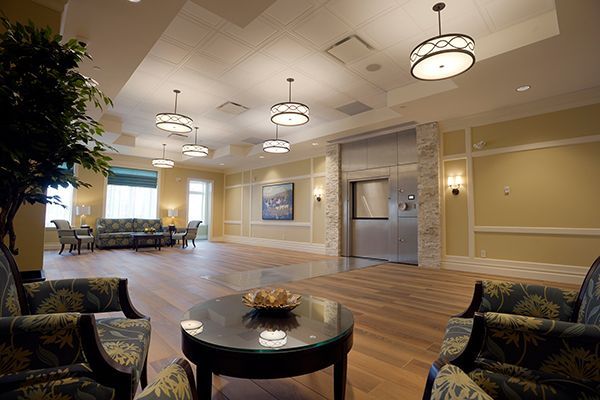
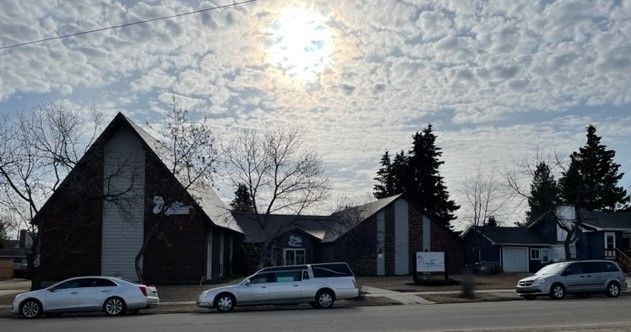
- A funeral home or chapel
- A place of worship
- A community hall
- A family home
- An outdoor location with personal significance
The location often reflects the person's life and the atmosphere the family wishes to create. Whether it is a quiet gathering with close relatives or a larger community event, the setting should provide a welcoming space for remembrance and support.
Planning a Memorial Service with Care
Planning a memorial service may seem overwhelming at first, but it doesn't have to be done all at once. Many families find comfort in taking one decision at a time and focusing on what best reflects the person they are remembering.
Some of the first decisions may include:
- Choosing a suitable date and time.
- Deciding on the location.
- Selecting music, readings, or speakers.
- Choosing photographs or keepsakes to display.
- Inviting family and friends to participate.
There is no right or wrong way to plan a memorial service. Some families prefer a traditional format, while others choose something more relaxed and personal. The most meaningful services are often those that genuinely reflect the individual's life, values, and the memories shared with others.
At Drayton Memorial, families are guided through each step with compassion and understanding, helping make the planning process feel more manageable during an emotional time.
Planning Can Bring Peace of Mind
Although many memorial services are arranged after a loss, some people choose to plan and record their wishes in advance. Doing so can provide peace of mind for both the individual and their family, helping reduce uncertainty when important decisions need to be made.
For those who wish to begin planning, Drayton Memorial offers a simple online preplanning form that allows you to share as much or as little information as you feel comfortable providing. It is a thoughtful way to communicate your wishes while making future arrangements easier for those you care about most.
Frequently Asked Questions About Memorial Services
Can a memorial service be held weeks or months after someone passes away?
Yes. Unlike a traditional funeral, a memorial service offers flexibility and can be arranged whenever it feels right for the family.
Is a memorial service religious?
It can be, but it doesn't have to be. Families may choose a religious, spiritual, or non-religious service based on their loved one's beliefs and personal wishes.
Who can speak during a memorial service?
Anyone who shared a meaningful connection with the person may be invited to speak. Family members, close friends, or others often share memories, readings, or personal tributes.
Does a memorial service have to follow a specific format?
No. Every memorial service is unique. Families are encouraged to create a gathering that reflects the personality, values, and life of their loved one.
Final Thoughts
Understanding what is a memorial service can help families make informed and thoughtful decisions during a difficult time. More than anything, a memorial service is an opportunity to celebrate a life, share meaningful memories, and find comfort in the support of family and friends.
Whether you choose a traditional memorial service or a more informal memorial gathering, the goal is the same—to honour a life in a way that feels personal and sincere. Small touches, shared stories, favourite music, and meaningful keepsakes often become lasting reminders of the love and memories that continue long after the service has ended.
At Drayton Memorial, we believe every life deserves to be remembered in a way that reflects the person behind it. Our role is to provide compassionate guidance and thoughtful support, helping families create meaningful tributes while ensuring they never have to navigate the journey alone.